



For years, retailers put most of their effort into online channels: building e-commerce, improving digital experiences, and collecting customer data. But most purchase decisions still happen in physical stores. That's pushing retailers to ask how technology can make those stores more connected, efficient, and responsive.
A smart retail store isn't defined by one technology. It comes from combining several systems: inventory, pricing, customer experience, store operations, so they work together instead of separately. AI, IoT sensors, digital shelf, and automation are helping retailers move from static stores toward stores that adjust to what's actually happening on the floor.
What Makes a Store "Smart"
People often picture a smart store as one packed with gadgets. The intelligence actually comes from how the technology improves decisions and daily operations, not from the number of devices on the floor.
Traditional stores mostly run on fixed processes. Prices update on a schedule. Inventory gets checked periodically. Promotions usually need an employee to manually change something at the shelf.
Smart retail connects these processes so data can move between systems. That lets retailers respond faster to shifts in demand, market conditions, and everyday operational problems.
Three capabilities define a smart store: real-time visibility into what's happening in the store, from stock levels to how customers move and shop; operational flexibility to adjust pricing, promotions, and product information quickly; and a better customer experience through more accurate information and a smoother path to purchase.
The goal is to remove the operational limits that traditional stores run into.
Inventory Systems and Store Visibility
Inventory management remains one of the biggest headaches in physical retail. Many retailers have invested heavily in inventory systems, but a gap often remains between what the system says and what's actually on the shelf.
A product might show as available in the database while it's missing from the sales floor. A promotion might be live in the system but not reflected at the shelf. These small gaps affect sales and customer satisfaction directly.
Smart retail technologies close this gap by linking inventory systems more directly to the store floor. IoT sensors, RFID tags, computer vision, and connected shelf technology give retailers more accurate, real-time information about product movement and availability. Employees can catch problems sooner, restock faster, and cut down on situations where customers can't find what they came in for.
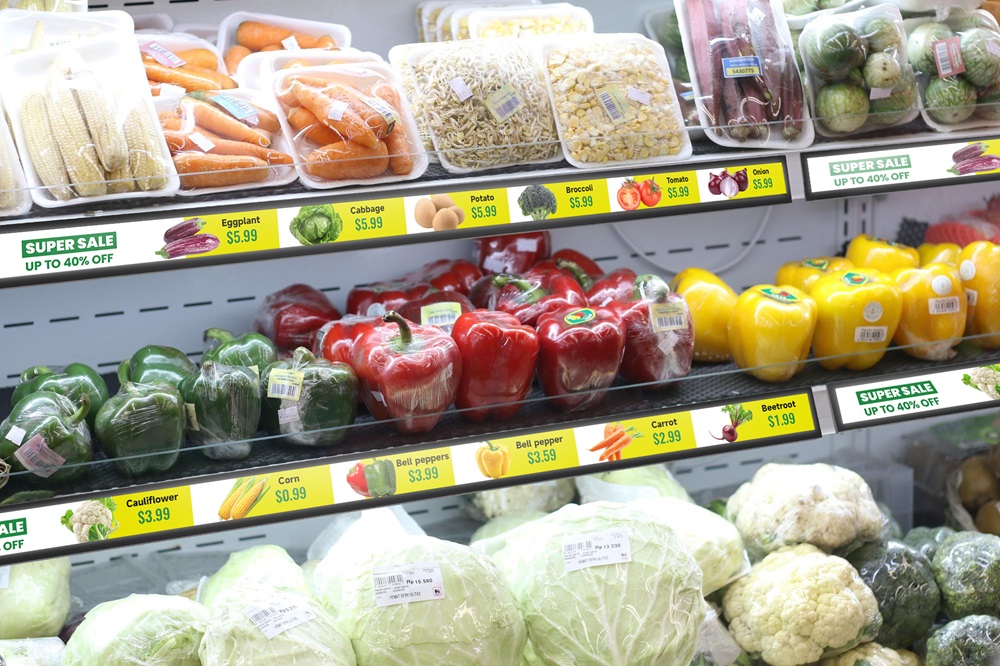
Electronic shelf labels play a specific role here. Linked directly to retail management systems, they update prices and product information across the shelf automatically, keeping the backend and the shopping floor in sync.
Digital Shelf Technology and Customer Interaction
The shelf is where customers compare products, check prices, and decide what to buy. It's arguably the most important touchpoint in the store.
Paper labels are limited. They carry little information and need manual replacement every time something changes. Smart stores are replacing them with digital alternatives.
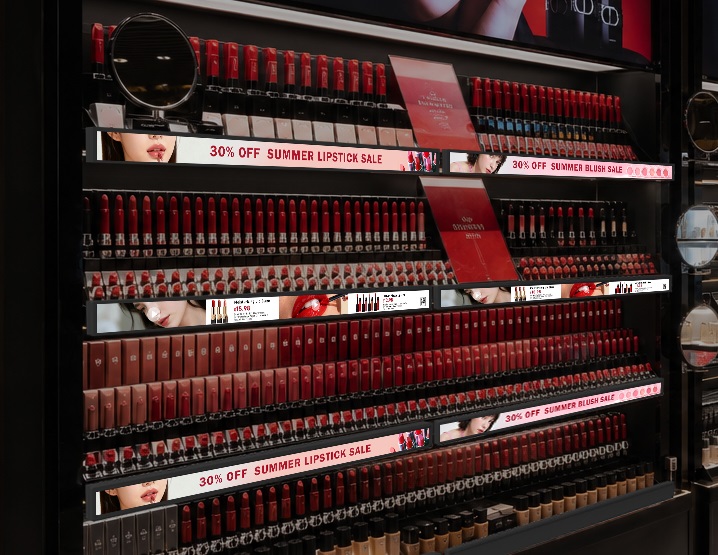
Electronic labels show accurate prices while also supporting QR codes, NFC tags, and extra product details. Retailers can update this information remotely and keep it consistent across locations. LCD shelf displays go further, showing product videos and promotional messages that static labels can't. That gives retailers a way to make the shelf itself more engaging, particularly in categories where presentation drives the purchase decision.
As retail competition increases, communicating well at the shelf level is becoming a real advantage.
AI and Data Analytics
Data sits at the center of this shift. Retailers pull information from sales systems, customer interactions, inventory platforms, and digital channels, often more than they can make sense of manually.
AI and analytics tools turn that raw information into decisions retailers can act on: predicting demand, optimizing inventory levels, spotting sales trends, improving product placement, and personalizing the shopping experience.
Sales pattern analysis, for example, can show which products need more visibility or when a promotion should launch, instead of retailers relying on last year's numbers or gut instinct. That shift, from reacting to problems to anticipating them, is one of the clearest signs of a smart retail operation.
Connecting Online and Offline Retail
Shoppers don't think in terms of "online" and "in-store." They research products on their phones, check prices through an app, visit a store to compare, and check out through whatever channel is convenient at the time.
That means product information, pricing, promotions, and inventory need to stay in sync no matter where a customer looks. Digital shelf systems, integrated inventory platforms, and centralized management tools help retailers maintain that consistency. It's a bigger challenge for chains running multiple locations, where staying aligned across stores gets harder as the number of locations grows.
The Shift Toward Connected Stores
Smart retail keeps the physical store intact while removing the operational friction that's built up around it over decades. AI, IoT, digital shelf displays, and electronic shelf labels are converging to create stores where information moves faster and decisions happen sooner.
For retailers, the payoff includes lower operating costs, but also stores that adapt faster, communicate more clearly with customers, and compete better in an increasingly digital market. That connection typically starts with products, data, employees, and shoppers, and increasingly, it starts at the shelf.


