



There has already been a lot of discussion about digital changes and cellular connectivity in the media. Today's digital-first society is an excellent example of this, as new gadgets and tools are being leveraged creatively to connect brands with their customers. Supply chains and industrial storage facilities were not exempt from this trend, which affected a wide range of industries.
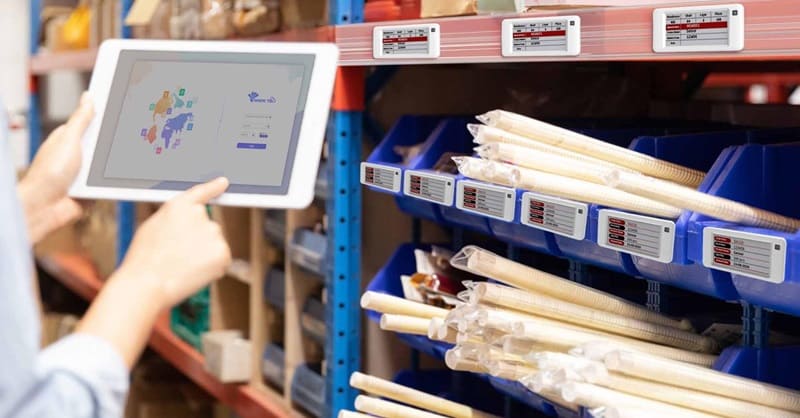
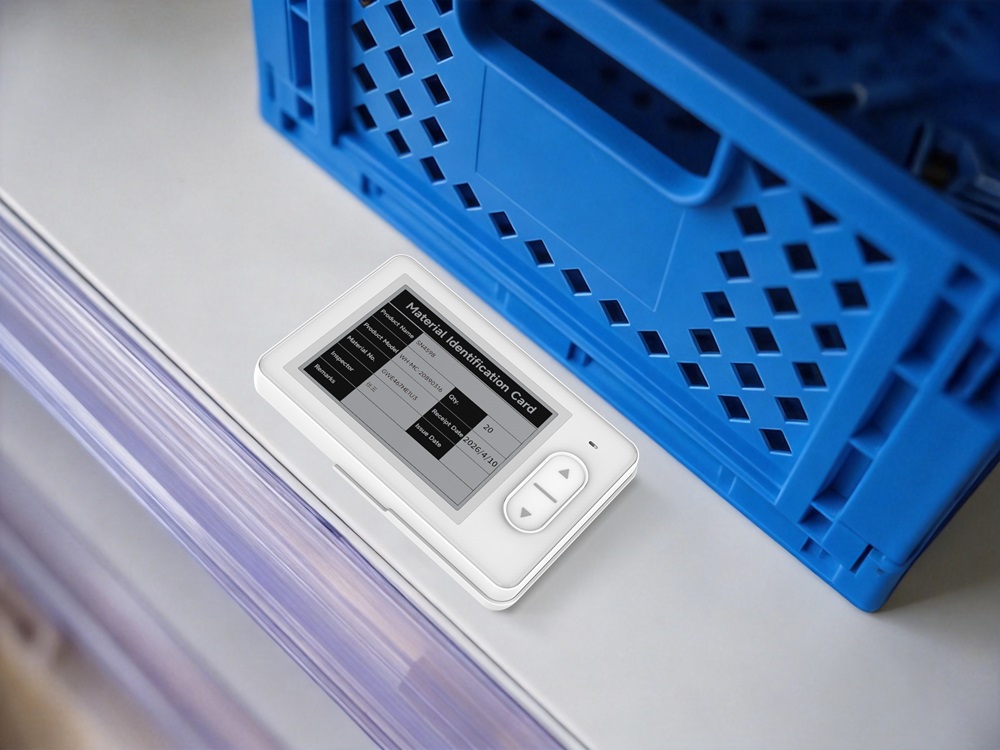
Warehouse Trends in Wireless ConnectivityWarehouse productivity may now be improved with the help of cutting-edge equipment and software. These products are designed to automate processes, making them more error-free and productive. To take advantage of these new trends and solutions, warehouse managers must first have a solid warehouse wireless design. There are a few of these: Location-Based Services (LBS)Using LBS, warehouse management systems can track down things, devices, and assets in an automated manner. Using geolocation and geo-fencing technologies, warehouse workers may locate these products anywhere in the logistics complex, including offices and warehouses. Theft and pilferage are less likely with such measures in place. For Big Data Analytics, Sensor SolutionsIt is possible to employ sensors in wireless instruments like ESL and IoT devices to acquire information in various ways. In addition to temperature and humidity readings, the data gathered by these sensors also include real-time inventory figures. Wi-Fi-enabled sensors provide a wealth of information to warehouse management systems, allowing managers to make better decisions that can increase their warehouse's operational efficiency. With LED indicators, Electronic Shelf LabelsWith ESL solutions, inventories are more accurate, and warehouse operations are more efficient than traditional paper-based sticker labels. ESLs with built-in light indicators are a popular choice for industrial warehouses because of the wide range of products and possibilities. Warehouse workers can quickly find items, especially in large warehouses with several stockrooms. For example, the digital warehouse picking tags recently released by Minewtag. WT042A Warehouse Picking Label with 2 ButtonsThe WT042A is a 4.2-inch intelligent warehouse picking label, independently developed and manufactured by MCloud-iOT for parallel picking scenarios involving multiple work orders. It features a 4.2-inch black-and-white fast-refresh screen that updates content within 3 seconds. The device is equipped with two buttons and one indicator light to support picking confirmation across multiple simultaneous work orders. Its replaceable battery design effectively extends battery life, and the IP65 ingress protection rating allows it to adapt to more complex warehouse environments
Smart labels for your goods and servicesA compact and thin electronic label can be an intelligent item label. As a result, warehouse workers can get real-time information about particular objects or assets by attaching wirelessly connected labels. Additionally, the use of these labels makes inventory management considerably more manageable. RFID and geofencing capabilities can also help prevent theft and pilferage. Smart Glasses for Assistive RealityMaybe it would be good if we could use the incredible technology only seen in science fiction movies and television shows? Like spectacles or goggles that show real-time information from a central computer via an internal display. Already, such technology exists. Workers in the warehouse can employ IoT-enabled wearables like the aided reality smart glasses to automate their inventory procedures, which can benefit warehouse management. Making their daily tasks more accessible, more efficient, and less prone to mistakes would result. A platform for Advanced Wireless Communication in Your WarehouseHere are some tips and considerations for building an advanced wireless networking platform and system in your industrial warehouse. Consider platforms with modular setups, making it simple to alter and develop your warehouse as your company grows. Install Your Wireless Network with the Help of a Trustworthy PartnerWi-Fi networks and Wireless LANs perform best when their network architecture is well-designed and the efficiency of the tools, devices, and equipment installed in it. There are many systems integrators and service providers out there. Still, it's ideal to go with someone that knows a lot about new wireless network technologies like 3G and 4G, as well as more traditional ones like RFID and IoT, like 5G and beyond. Consider Your Device and Installing OptionsTo get the most out of your wireless network update, it would be wise to conduct a thorough inventory and assessment of all of the wireless-enabled devices, tools, and equipment in your warehouse. There are a variety of devices, including mobile terminals and RFID readers, electronic shelf labels, and IoT devices. All of these instruments have the potential to enhance the efficiency of your warehouse operations, but they must be appropriately connected. Conclusion: Wireless connectivity is still being used in warehouse operations in many ways, as stated above. A solid and practical wireless network foundation is critical for warehouse facilities to utilize newer technology. |
How To Boost Wireless Connectivity in Warehouses?
Time:2026-06-18Author:Minewtag
Share:


 ]
]News
From Shipping Label to Connected Tracking Device
Replacing paper labels is only one part of this. The bigger benefit comes from connecting the shipment, its condition and its movement history to the same management workflow.
time:2026-09-11
Digital Shelf Labels in Grocery Stores: 7 Problems Retailers Need to Solve Before Rollout
Digital shelf labels remove one of grocery retail's most repetitive jobs: printing, sorting, finding and replacing thousands of paper price tags
time:2026-09-04
How to Increase Sales in a Liquor Store?
Customers can buy alcohol from supermarkets, online platforms, delivery services, and big retail chains, so an independent liquor store has to compete on more than price.
time:2026-08-28
E-Ink vs. LCD Shelf Edge Displays: Which Retail Tasks Suit Each Technology?
E-ink and LCD displays are often grouped together as “digital shelf labels,” but they solve different problems in a store.
time:2026-08-07


