



Customers can buy alcohol from supermarkets, online platforms, delivery services, and big retail chains, so an independent liquor store has to compete on more than price. Growth usually comes down to four things: how many people walk in, how many of them buy, how much they spend, and how often they come back.
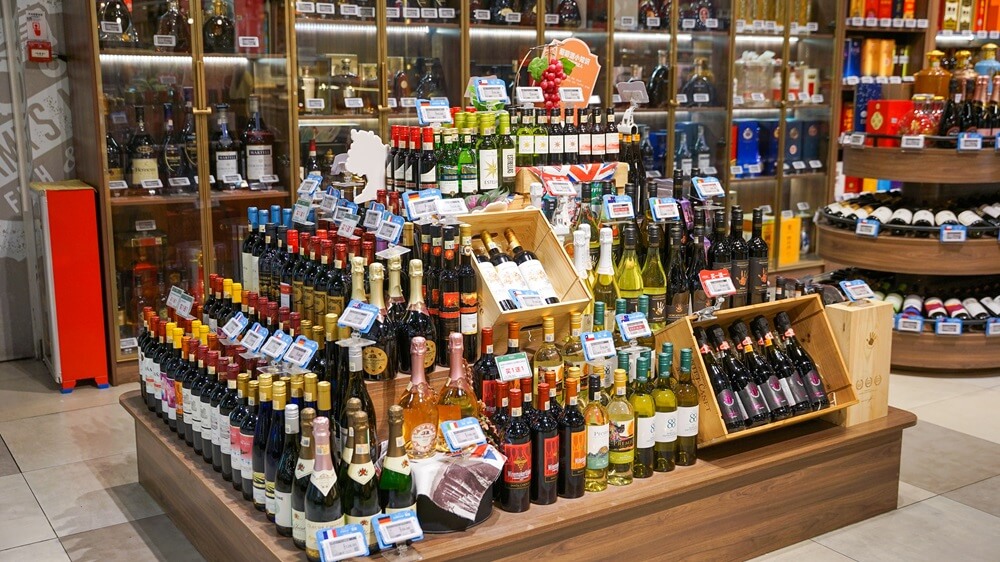
Know Who's Actually Shopping
Start by figuring out who the customers are and what they're buying for. Some people want affordable beer or wine for regular home use. Others are shopping for gifts, party supplies, premium spirits, or a specific dinner. Restaurants, event planners, and local businesses can also be steady customers if the store treats them that way.
Sales records and conversations with regulars will show which products move fastest, what price ranges people actually buy at, when the store gets busy, and what customers ask for but can't find. A store near a university probably needs cheap party packages more than rare whiskies. A store in a wealthier neighborhood might do better stocking premium wine and offering gift services.
Fix the Product Mix
National brands bring in traffic, but customers can buy those anywhere. What makes someone choose one store over another is usually something they can't easily find elsewhere: craft beer, regional wine, small-batch spirits, alcohol-free options, or ready-to-drink cocktails, depending on what the local market wants.
Price range plays a role too. Entry-level products bring in budget shoppers, mid-range products carry the everyday volume, and premium products are where the margin and the store's reputation come from.
Slow-moving inventory ties up shelf space and cash. Discount it, bundle it, or push it at a tasting event, and let the sales data guide the next round of purchasing decisions.
Make the Store Easier to Shop
A clean, organized store with clear signage sells more than a cluttered one. Group products by category, price, region, flavor, or occasion, and use plain-language descriptions instead of jargon. A label that says a wine is light and fruity, or that a whisky suits someone new to the category, helps customers who want guidance but don't want to ask.
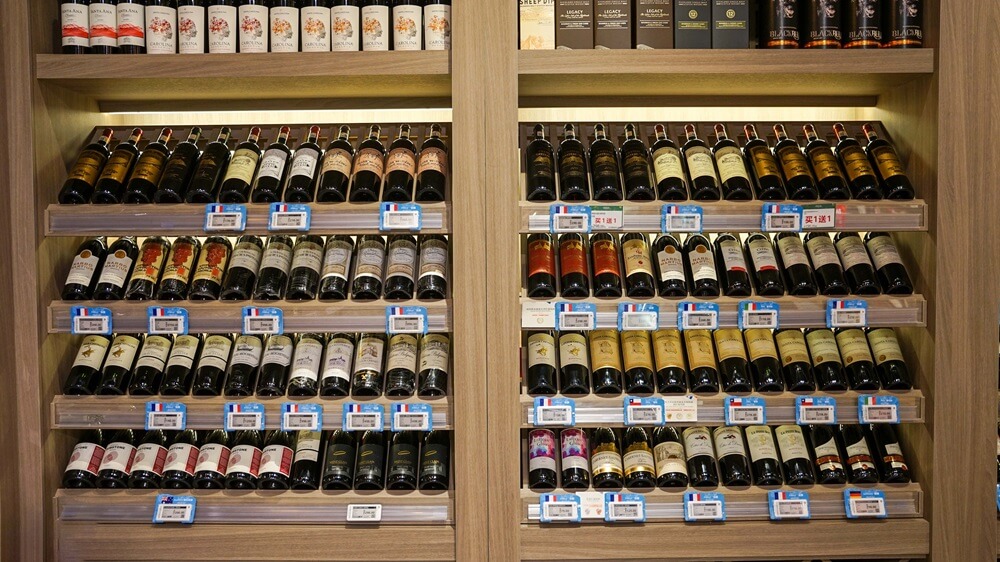
Digital shelf labels are worth considering. Unlike paper tags, they update centrally the moment a price or promotion changes, and they can show discounts, product origin, tasting notes, and food pairings on the same tag. For a store with a large inventory or frequent promotions, that cuts staff time spent on repricing and avoids the awkward mismatch between the shelf price and what rings up at checkout. It also makes the store look more current and gives customers an easier way to compare products side by side.
Staff influence conversion rates directly. Ask about a customer's budget and occasion first, then offer two or three options that fit, rather than pushing the priciest bottle right away. That builds trust, and trust brings people back.
Get Customers to Spend More Per Visit
The fastest lever is getting existing customers to add something relevant to what they're already buying, without making it feel like a pitch. Someone buying wine might need a corkscrew or a cheese pairing. Someone buying spirits for a party might need mixers, ice, or cups. Pre-built packages for dinners, holidays, or game nights make this easy.
Quantity discounts work too: a price break on six bottles of wine, a mixed beer case, or free delivery above a certain spend. Bundles tend to beat straight discounts because they add convenience without cutting into margin as hard.
A modest upsell also helps. If a customer picks an entry-level bottle, an employee can explain why the next tier up tastes or presents better. It only works if the reasoning is genuine.
Bring in More Local Customers
Keep the store's listing on mapping and search platforms accurate: hours, contact info, photos, and services offered. Ask satisfied customers for honest reviews, since those influence people searching nearby.
New arrivals, cocktail recipes, food pairings, and staff picks tend to perform well on social media, especially when tied to a holiday or local event.
Restaurants, hotels, caterers, and companies planning events need reliable alcohol suppliers. Offering bulk pricing, delivery, and help estimating quantities can turn these into large, repeat orders. Where local law allows it, online ordering, curbside pickup, and delivery remove friction for busy customers and event organizers.
Build Repeat Business
A loyalty program should stay simple: points, member pricing, or early access to tastings and limited products. Birthday offers make members feel recognized without much effort.
Knowing what a customer prefers, Italian red wine or Japanese whisky, for example, is more useful than just having their contact info. It lets the store send relevant recommendations when new stock arrives instead of blasting the same promotion to everyone. Reaching out to inactive customers works too, as long as it's occasional and offers something real. Too many promotional messages just gets the store unsubscribed.
Use Events and the Calendar
Tastings let customers try something new with low risk, and they give staff a chance to build relationships and show what they know. Themes like regional wine, craft beer, or beginner whisky all work.
Seasonal planning: gift sets ahead of the holidays, beer and ready-to-drink products in summer, and special packages around weddings, graduations, and corporate year-end events. Planning early avoids missed sales and leftover stock when the moment passes.
Growth here doesn't come from constant discounting. It comes from knowing the customers, stocking the right products, making the store easier to shop, using tools like electronic shelf labels where they help, and giving people real reasons to come back.


