



Private label products have become one of the biggest growth levers in retail. As shoppers look for value and retailers protect margins, store brands are expanding across grocery, electronics, and home goods. Launching a private label product is the easy part. Getting shoppers to notice it, understand it, and pick it over a familiar national brand is what actually decides whether it sells.
Shelf visibility drives that decision. A product that's hard to find, poorly positioned, or short on information loses sales even when it beats the national brand on quality and price.
Retailers are responding with better shelf management, clearer product information, and tools like digital price tags that connect shoppers to private label products more directly.
Why Private Label Starts at a Disadvantage
National brands built recognition through years of advertising, packaging design, and repeat exposure. A shopper walking down an aisle often recognizes the national brand on sight.
A shopper does not always choose the best-value product. They choose the product that takes the least effort to understand. If a private label item doesn't communicate its benefit, quality, or price advantage within a few seconds, the shopper defaults to what they already know.
Shelf placement, product information, pricing, and promotional messaging all feed into that split-second decision. Growing private label sales takes more than adding shelf space. It takes making the product easier to find and easier to trust.
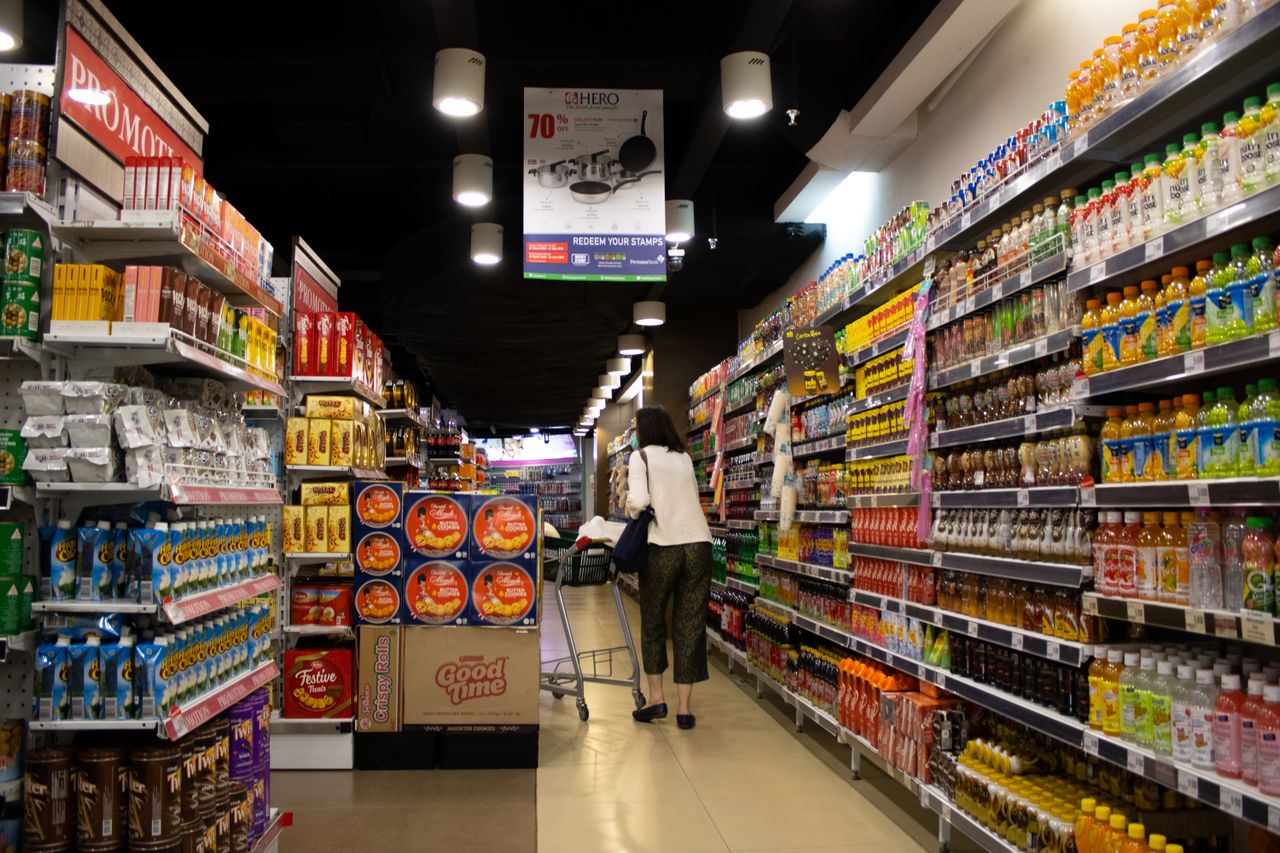
What Shelf Visibility Actually Means
Traditional merchandising focuses on physical placement. Eye-level positioning and high-traffic aisles still get more attention. But visibility today means something broader than location.
A product becomes visible when a shopper can answer four questions in a few seconds: What is this? Why should I choose it? How does it compare to other options? What value does it offer?
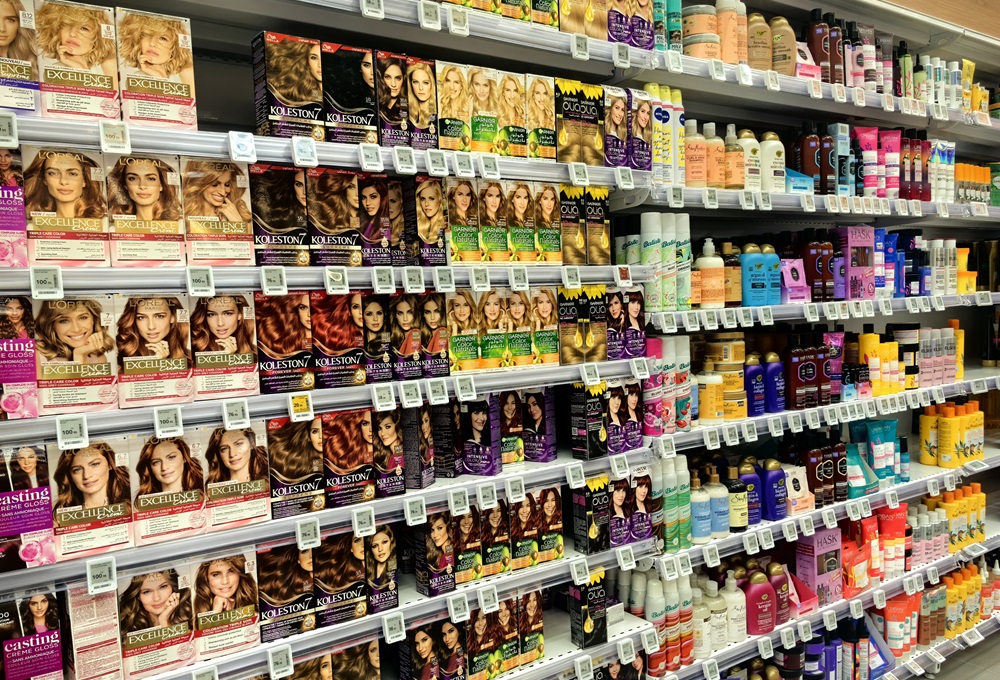
Private label products need to answer these questions more explicitly, because shoppers don't already have the answers the way they do for a national brand. A store-brand skincare product competing against a known cosmetics label can't win on a lower price alone. The shelf has to make the case with ingredient information, performance claims, sourcing detail, or customer ratings.
Digital Price Tags as a Communication Tool
Digital price tags change what retailers can say at the shelf edge. A paper label shows a name and a price, and updating it means a manual swap. A digital label turns that same space into a live channel for dynamic pricing, promotions, comparisons, and product detail, all updated from a central system.
For private label products specifically, that space can carry what a shopper would otherwise miss: a lower price shown next to the national brand, a limited-time promotion, a certification, ingredient detail, a value message, or a loyalty discount. None of that fits on a paper tag. All of it reduces the uncertainty that keeps a shopper reaching for the brand they already trust.
Keeping Pricing and Promotions Consistent Across Stores
Private label growth usually runs on frequent promotions: introductory pricing, bundles, seasonal campaigns, and loyalty discounts meant to get a shopper to try the product once. That only works if the promotion actually shows up where the shopper is standing.
Digital price tags fix the execution problem by connecting the shelf to a central pricing system. When a promotion launches, a retailer can update thousands of labels at once instead of sending staff through the store with a new batch of paper tags. For a private label campaign, timing is often the difference between a shopper noticing the product and walking past it.
Reading Shelf Data to Understand Shopper Behavior
Most retailers should not rely solely on sales reports to determine product sales performance. Shelf-level data is playing an increasingly important role: which products draw attention, which categories run into stock problems, how a promotion changes shopper response, which locations outperform others. Paired with inventory and analytics systems, this data can point to a fix that has nothing to do with the product itself. A private label item with real sales potential might simply be sitting next to a dominant national brand that's pulling all the attention. Moving it, or giving it a stronger shelf message, can lift performance without touching the product at all.
Building Trust Through Better Information
Trust is still the barrier to private label adoption. Some shoppers assume a store brand means lower quality, and the shelf is the last place a retailer gets to argue otherwise before the shopper decides.
Clear information changes that calculation. A shopper comparing two similar products is more likely to pick the private label option when the shelf shows transparent detail on ingredients, sourcing, or quality standards, not just a lower price. This matters most in categories where shoppers already expect to do some homework before buying: health products, organic food, beauty, and premium household goods.
Shelf Execution as Part of the Strategy
A private label program depends on managing several things at once: product positioning, pricing consistency, promotional timing, inventory availability, and shopper education. Technology supports all of it, but it doesn't replace an actual read on shopper behavior.
Wireless shelf labels from Minewtag connect product information, pricing systems, and shelf communication, giving retailers a way to run wireless electronic shelf labels consistently across different store formats.
Private label competition is only going to get tighter as more retailers build out their own store brands. Having a private label product on the shelf isn't enough anymore. The effectiveness of a product's display determines its sales potential. This is increasingly becoming a shelf management issue, rather than just a product-related problem.


