

Retail management isn't just about managing people and stock anymore. It's about running complex digital systems. Store managers are now like tech experts, data analysts, and experience creators all in one. To do well, you need to get good at certain digital things that really change how well you sell and how smoothly things run.
Real-Time Stock Checks
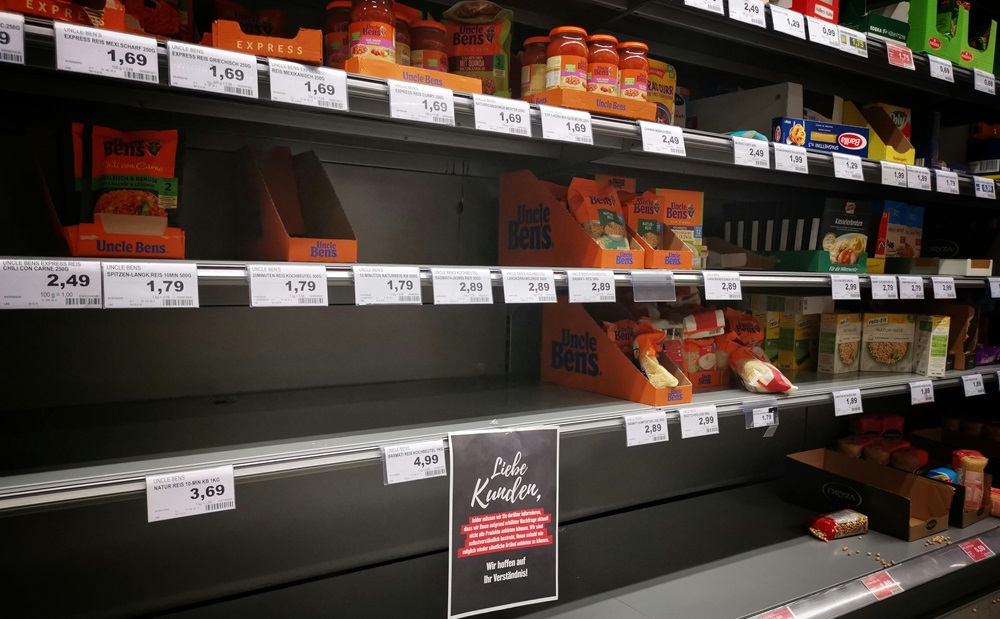
When you run out of something people want, it can cost a lot. If shoppers can't find what they need, they'll just leave and buy it somewhere else. Checking your stock in real-time fixes this by showing you exactly what you have in every place, all the time.
You need systems that watch where your stock is going, from the storage area to the sales floor to online orders. If someone asks if you have a product, your staff should be able to check the numbers fast. It's not just about knowing what's in the back. You also need to see what's coming in, what's saved for online orders, and what other stores nearby have.
Modern stock systems work with checkout machines, phones, and screens that customers can see. When stock gets low, the system orders more automatically. This way, you don't have to guess, and you have less stuff sitting around taking up space and fewer empty shelves.
Changing Prices Quickly
Prices can change fast in the market. Some rivals change their prices every hour! If you can react fast, you'll get more sales. If not, people will just buy from other stores.
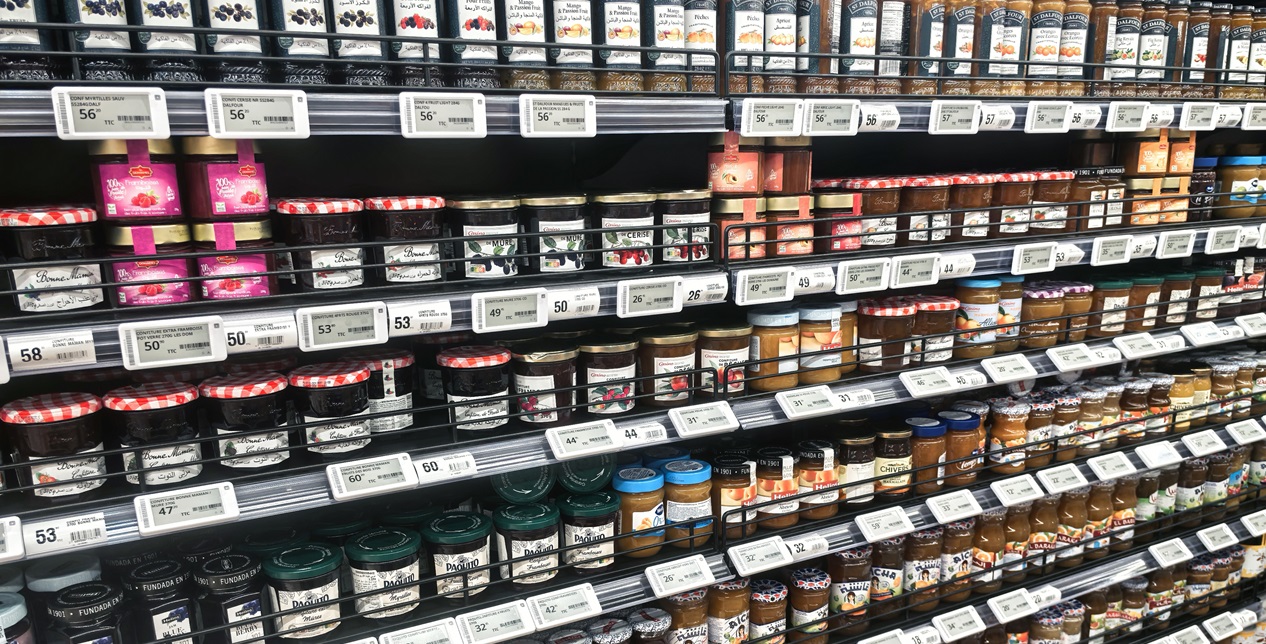
Systems that let you change prices make it easy to adjust based on what people want, what rivals are doing, how much stock you have, and when things are happening. You can do quick sales when things are quiet, lower prices on old stock before it's too late, and make more money on items everyone wants.
Have clear rules for when and how prices change. Make sure your staff knows how to explain changes to customers. Use electronic shelf labels in your store so customers always see the right prices and deals without you having to change tags by hand.
All Customer Info in One Place
Customers talk to your brand in many ways: your site, app, stores, and social media. Every time they do, they make data. Most stores get this info but don't put it all together to really understand it.
A platform that puts all your customer info together shows you what they buy, what they look at online, what they like, and how they act. You can see the whole picture of how they deal with your brand. This helps you give them personal suggestions, deals they'll care about, and quick fixes if something goes wrong, so they don't leave you.
When someone in your rewards program walks into your store, your staff can see what they bought before on their phones and offer them things that go well with those purchases. You can change normal shopping trips into personal experiences that make customers want to stay with you.
Running Stores with Mobile Devices
Your staff can't help customers well if they're stuck at a desk. Phones let them help shoppers anywhere in the store while still using important systems.
Mobile checkout means no more lines. Staff can finish sales on the floor, which is faster and helps people buy things they might not if they had to wait. Checking stock on a phone keeps staff from wasting time going to the back or a computer to see if something is there.
Apps for managing tasks help run the store with phones. You can give out jobs, see when they're done, and talk to your team without having to call everyone into a meeting. This saves hours of work every week.
Watching Numbers and Checking How You're Doing
Just having information isn't enough. You need to be able to understand it. Store managers need dashboards that turn data into clear signs of how they're doing and what they should do next.
Your dashboards should show how many people buy something every hour, how people move around the store, how much they spend, what the best-selling items are, and how well your staff is doing. This info should be live, not just in reports that come out too late to help.
Be good at discovering patterns. Your system should point out things that are out of the ordinary, like unexpected drops in sales, stock problems, or changes in traffic that need attention. You'll spend less time looking for issues and more time fixing them.
Good dashboards keep things simple but give enough detail. Staff on the floor need simple views that focus on what's happening that day. Regional managers need to compare numbers from different locations. Corporate teams need to see trends and plan ahead. The same info can be used for different things at different levels.
Getting Good with Digital Tools
These things take money for both tech and teaching people how to use it. Start by seeing how good you are with digital tools now. Find the gaps between what you have and what's listed above. Give priority to what will make the most difference and is easiest to do.
Getting everything to work together can be hard. New systems need to talk to old ones. Work with tech partners who know stores and can give you solutions that fit your store, not just make you use some generic software.
Moving On
Getting better with digital tools never stops. Tech is always changing. What customers want keeps going up. Store managers need to keep learning and changing. The five things above are the base for running a store well today and the start for new ideas later.
Modern store tech, such as digital shelf labels and screens, now makes these things available to all stores, big and small. The question is no longer whether to use digital tools but how fast you can get systems in place that make things run better and give customers great experiences.


