



AI is constantly evolving and becoming a new force that is changing the retail industry. Electronic shelf labels, those price tags that have already made things easier in stores everywhere. With the integration of AI, they are about to become even more capable.
This tech has not yet been widely used, but it could turn regular shelves into smart ones. It's a big deal for stores and anyone who works with retail tech.
Knowing where this is going can help people get ready for changes in stores.
Digital Shelf Labels Going Smart
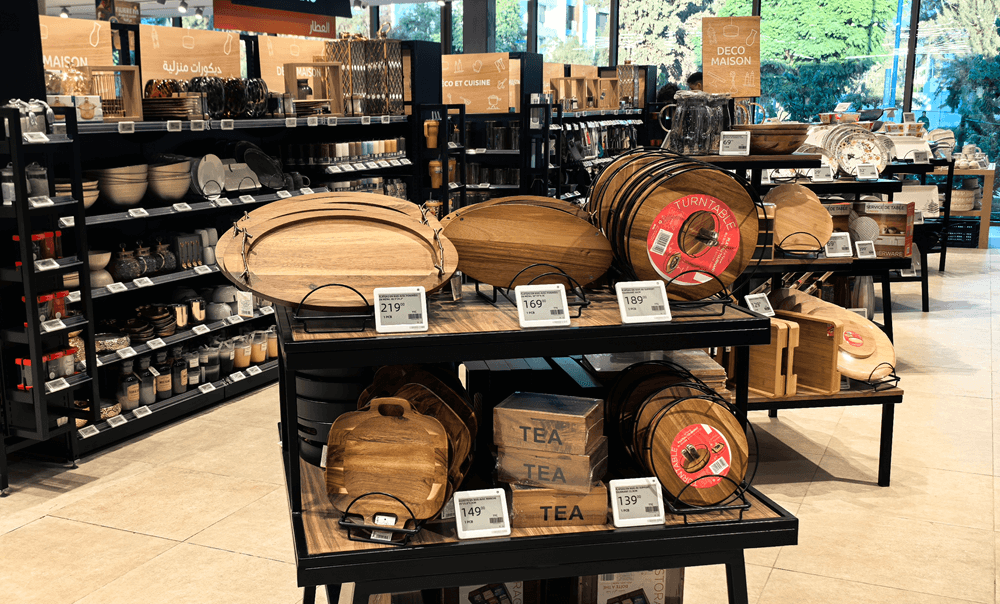
The emergence of digital shelf labels has transformed how retailers operate, replacing paper labels with screens that can remotely update prices. Lower labor costs, standardized store pricing, and rapid updates to promotional information have been achieved.
Today, retailers are positioning digital shelf labels in a more diverse way. They are evolving into data collectors, customer touchpoints, and decision-making tools, transforming into more functional infrastructure. The integration of artificial intelligence further expands their application scope.
This involves many new technologies being explored and developed. For example, machine learning can analyze prices in real time; edge computing enables labels to process information instantly, allowing for faster responses; computer vision enables labels to react to nearby customers; and cloud AI can share information across stores.
While these capabilities are still under development, they represent the direction the industry is heading.
Beyond Simple Price Updates
Dynamic pricing is one application of electronic price tags. Current electronic shelf label technology can adjust prices quickly and effectively, while AI-enhanced systems have the potential to determine reasonable prices based on sophisticated real-time analysis.
Smart shelf labels can assist pricing decisions by analyzing a wide range of patterns. These include how long customers spend in front of specific products, which price points generate the highest conversion rates, how competitor price changes influence purchasing behavior, and how sales vary by product category and time of day.
Theoretically, advanced AI algorithms can enable various strategies, such as demand-driven pricing throughout the day, predictive price reduction optimization, segmented pricing based on local market conditions, and promotional plans automatically triggered based on inventory turnover.
These capabilities are expected to improve profit margins by 2-5%, while reducing waste and increasing customer satisfaction. However, the actual effect depends on the effectiveness and widespread adoption of the technology.
Smarter Inventory with Predictive ESLs
When electronic shelf tag systems are combined with sensors, RFID, and intelligent data analytics, they become early warning systems.
They can actually help manage inventory more effectively. By connecting to different data sources, electronic tags can assess inventory levels faster and more accurately. They can also detect misplaced items, understand which product prices are causing poor sales, and predict future demand based on seasons or new trends.
These benefits are particularly useful for stores selling perishable foods. New artificial intelligence can automatically lower prices when products are nearing their expiration date. This allows stores to maintain profits while avoiding waste.
Because machine learning continuously learns, these systems become increasingly accurate over time. They adjust to the specific circumstances of each store, local customer preferences, and seasonal changes.
Enhancing Customer Experience Through Intelligent Interaction
One of the boldest ideas for AI in retail, embedded electronic shelf labels is to stop thinking of them as mere displays of information, but rather, as platforms for customer engagement.
The concepts that can redefine smart labels include: context, aware information that only shows up when a customer nearby a particular product; product recommendations personalized to one's shopping history and preferences; thorough product information such as the origin, sustainability footprint and allergens; interactive features that communicate with mobile apps for an even more exciting experience; and color changes that visually direct the customer to products that meet their individual interests or dietary needs.
This idea also involves deeply understanding the customers' behavior. AI technologies may have the potential to recognize the pattern of foot traffic, the number of times a particular product is picked up, and the rate of interaction of various types of information, and then use this data to continuously perfect the display and promotion of products.
Examples include the integration of shelf labels with loyalty programs, the use of augmented reality to add digital layers to physical products, and voice interfaces that make shelf interaction easier and more intuitive.
These innovations facing customers are, for the most part, only ideas or experiments, but they demonstrate the radical change that will happen when AI is brought to the shelf edge where customers are standing.
Predictive Analytics and Strategic Intelligence
When AI teams up with electronic shelf labels across an entire store or chain, it unlocks some seriously powerful predictive analytics that can guide big-picture decisions in retail.
Thousands of smart labels feeding anonymized data into the system every day—stock levels, how quickly items move, even subtle patterns in shopper behavior. Layer in external factors like weather forecasts, local events, or competitor pricing, and AI starts spotting trends that no human would catch on their own.
This could reveal things like:
Emerging preferences, such as a growing demand for eco-friendly products in specific areas.
Sharper seasonal patterns or the best ways to pair products on shelves for different customer groups.
Early warning signs of broader market shifts, helping you adjust before they hit.
The Broader Retail Technology Ecosystem
AI-boosted electronic shelf labels really shine when they're part of a bigger, connected retail setup.
The most powerful implementations will connect intelligent labels with e-commerce platforms for true omnichannel consistency, mobile shopping applications for seamless digital-physical integration, enterprise resource planning systems for operational coordination, supply chain management platforms for end-to-end visibility, and business intelligence tools for comprehensive insights.
Connecting all these different vendor systems isn't always straightforward—data silos and legacy tech can slow things down. But as open APIs and standards improve, more retailers are building these integrated ecosystems, giving them a real edge in delivering consistent, efficient shopping no matter the channel.
The integration of artificial intelligence and electronic shelf labels is a significant step in the evolution of retail technology. While many features are still in their early stages, they clearly demonstrate the path to a smart shelf environment.
This transformation will not happen overnight. Moving from today's digital labels to future intelligent systems requires overcoming technological challenges, establishing industry standards, addressing privacy concerns, and demonstrating clear value to retailers and consumers. However, the potential benefits—higher profit margins, less waste, greater customer satisfaction, and strategic intelligence—make this evolution inevitable.
As retailers move toward intelligent shelf environments, choosing the right ESL partner becomes increasingly important. Solutions such as Minewtag electronic shelf labels are designed to support this evolution, offering stable hardware, flexible display sizes, and reliable wireless communication that form a strong foundation for future AI integration. With scalable ESL systems that integrate smoothly with pricing, inventory, and store management platforms, Helping retailers move towards smarter shelves


