



Keeping shelves stocked feels straightforward until you're juggling thousands of SKUs, fluctuating demand, and the constant pressure to reduce waste. Traditional inventory methods work—until they don't. That's when retailers discover what intelligent inventory management can do, and why more businesses are making the switch.
Managing inventory used to mean educated guesses backed by spreadsheets. Today's retail landscape demands something better. Customers expect items to be available when they want them, and businesses need to optimize capital without tying it up in excess stock. Intelligent inventory management bridges this gap, using real-time data and smart technology to keep operations running smoothly while cutting unnecessary costs.

What Makes Inventory Management "Intelligent"?
The word "intelligent" gets thrown around a lot in retail technology, but here's what it actually means for inventory: systems that learn, adapt, and respond to real conditions rather than rigid formulas. Instead of relying solely on historical averages, intelligent systems consider seasonal patterns, supplier lead times, promotional impacts, and even weather forecasts to predict what you'll need and when.
Suppose a grocery store is preparing for summer. Traditional methods might say "increase ice cream orders by 30% in June." An intelligent system goes deeper, it tracks daily temperature changes, notices that vanilla outsells chocolate during heat waves, and adjusts orders accordingly. The difference seems subtle, but over thousands of products and multiple locations, these refinements add up to significant improvements in both availability and efficiency.
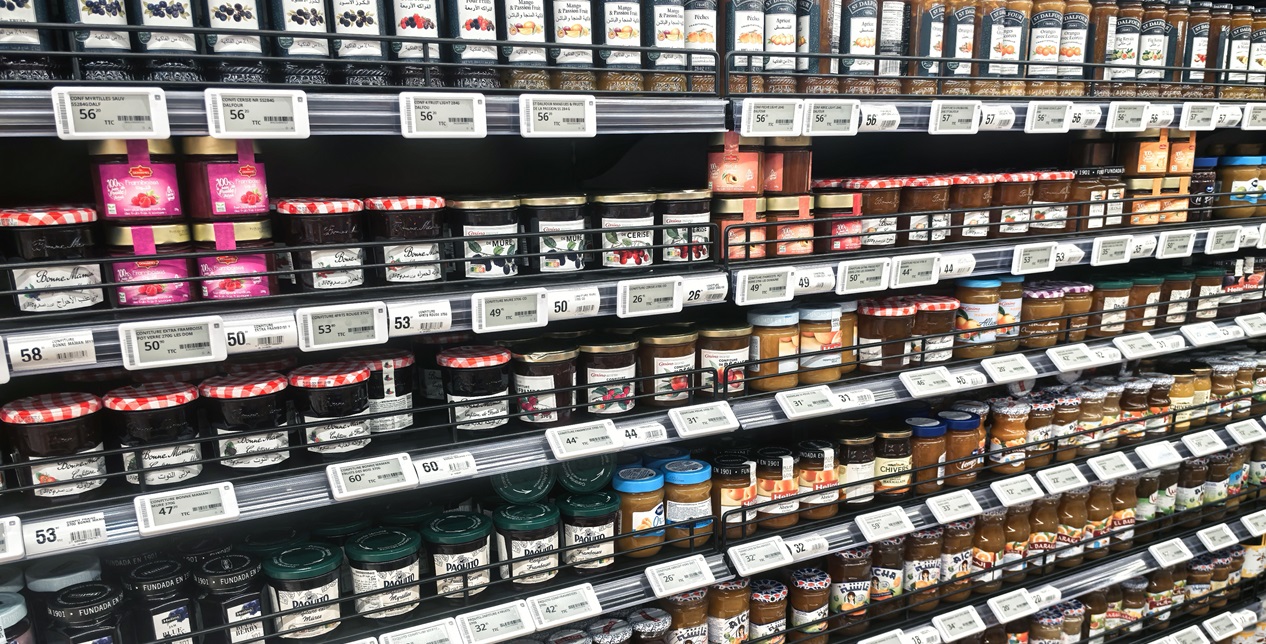
Electronic shelf labels like Minewtag further help make inventory management smarter. When integrated with inventory systems, they provide instant visibility into stock levels and pricing across every location. Staff know immediately when items need restocking, and customers see accurate information without the confusion of outdated paper tags.
The Building Blocks of Smart Inventory Control
Getting inventory right requires balancing several moving pieces. You need accurate demand forecasting, which means understanding not just how much sold last year, but why it sold and what factors might change this year. You need optimal stock levels that protect against stockouts without creating expensive overstock situations. And you need the agility to respond when reality doesn't match predictions.
Modern inventory systems tackle these challenges through integration. Point-of-sale data flows directly into forecasting algorithms. Warehouse management systems communicate with supplier networks. Electronic shelf labels update automatically when stock arrives or depletes. This interconnected approach eliminates the delays and errors that plague manual processes.
Elecotronic shelf labels further enhances this ecosystem. When inventory drops below threshold levels, the system can adjust pricing to accelerate sales or flag items for urgent reorder. These capabilities transform static shelf tags into active participants in inventory optimization.
Real-Time Visibility
One of the biggest shifts intelligent inventory management brings is real-time visibility across your entire operation. You're not looking at yesterday's numbers or last week's reports—you're seeing current stock levels, active sales velocity, and emerging trends as they happen.
A product selling faster than expected at one location can be identified within hours, not days, allowing you to redirect stock from slower stores or accelerate supplier orders. Conversely, items languishing on shelves can be marked down proactively before they become obsolete or expire.
ESLs make this visibility tangible at the shelf level. Staff carrying mobile devices can see which products need attention, where to find items for customer requests, and which sections require restocking, all without manually checking every aisle. Customers benefit too, as they can trust that shelf information reflects actual availability rather than outdated assumptions.
Reducing Waste While Improving Service
Here's a challenge every retailer faces: how do you reduce inventory levels to cut carrying costs while simultaneously improving product availability? Traditional thinking says you can't have both—lower inventory means higher stockout risk. Intelligent systems prove otherwise.
By understanding demand patterns more precisely and responding faster to changes, you can operate with leaner inventory while actually improving in-stock rates. You're not holding less inventory because you're willing to accept more stockouts; you're holding less because you know exactly what you need and when you need it.
Making the Transition Practical
Moving to intelligent inventory management doesn't require throwing out your existing systems and starting from scratch. The most successful implementations build on current infrastructure, adding capabilities gradually as teams adapt to new workflows.
Start by ensuring data quality. Inventory systems are only as good as the information they work with, so accurate product hierarchies, consistent transaction recording, and reliable supplier data form the foundation. Electronic shelf labels can help here too, when pricing and product information sync automatically across systems, manual entry errors disappear.
Integration comes next. Modern inventory platforms connect with existing point-of-sale systems, warehouse management software, and supplier networks. Adding electronic shelf labels like Minewtag completes the loop, ensuring that shelf-level information stays synchronized with backend systems without manual intervention.
The Competitive Edge
Retailers adopting intelligent inventory management aren't just making operations smoother—they're creating competitive advantages that traditional methods can't match. Better availability wins customer loyalty. Lower carrying costs improve profitability. Reduced waste supports sustainability commitments. Faster adaptation to market changes captures emerging opportunities.
Electronic shelf label systems from Minewtag amplify these advantages by bringing intelligence directly to the shelf edge.
The retail environment keeps getting more complex. Consumer preferences shift faster, supply chains face new disruptions, and competition intensifies from all directions. Intelligent inventory management helps you navigate this complexity confidently, making smarter decisions backed by better data and more responsive systems.
Why Minewtag for Your Inventory Journey
Minewtag's electronic shelf label solutions integrate seamlessly with intelligent inventory systems, providing the real-time visibility and dynamic control that modern retail demands. Our technology ensures pricing accuracy, improves stock management, and enhances customer experience—all while reducing manual labor and operational costs.
Ready to bring intelligence to your inventory operations? Contact us to learn how Minewtag can help transform your retail business with smart technology that works.


