



Retail margins often feel tighter than the numbers suggest. Most businesses keep an eye on obvious costs like rent, labor, and purchasing, but a lot of profit quietly slips away elsewhere. These losses don't show up as separate expenses; they're buried in day-to-day operations, scattered across tiny inefficiencies, delayed choices, and gaps in follow-through.
Each of these might seem small on its own, but together, they can seriously affect how a store performs.
Figuring out where these issues come from is the starting point for getting a handle on them.
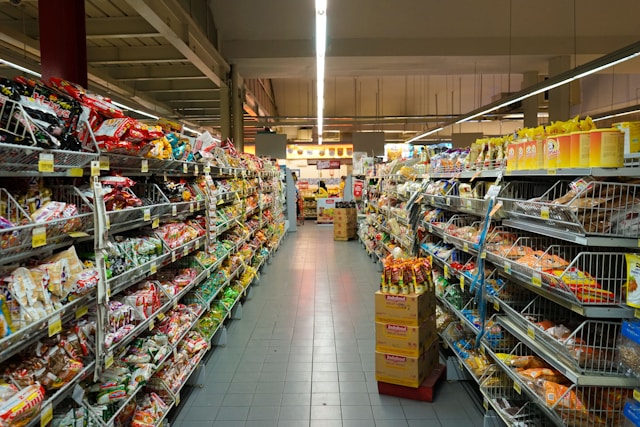
The Hidden Daily Losses
The losses that persist in retail usually aren't flashy. They're buried in routine actions, happen over and over, and don’t get directly tracked.
Wasting Time on Repeat Tasks
In many stores, staff spend a big chunk of their shifts on repetitive, low-value tasks. Things like double-checking shelf labels, moving items back to where they belong, price verifications, or running between the stockroom and the sales floor.
These tasks seem part of the norm, but they don't scale well. If a medium-size store has 15 to 20 employees and each wastes about 20 minutes daily on these tasks, that adds up to hundreds of lost labor hours every month.
What makes these costs tricky to catch is that they're scattered. They don't show up as overtime pay or as needing more staff. They just cut into time that could have been spent helping customers or making sales.
Point of Sale Errors and Checkout Mix-Ups
Discrepancies between shelf prices and checkout prices can lead to manual corrections, refunds, or dealing with dissatisfied customers.
Each correction may only take a few minutes, but once customer trust is lost, it's difficult to regain.
Over time, these small disruptions pile up into real costs, especially in busy stores.
Supply Chain Snags from Returns and Reworks
Returns and shifting stock between locations add layers of hidden expenses. Items that get mislabeled, lost, or handled late require extra work.
This creates a ripple effect across receiving, sorting, restocking, and system updates.. Sometimes products sit in the store with no chance to sell because inventory records don't match what's really on hand.
Missed Chances from Seasonal or Trend Shifts
In categories like clothes, beauty, or electronics, timing can be just as important as what you stock. If a store reacts slowly, whether restocking late or not spotting demand, it misses revenue that's hard to regain.
Selling out too soon means lost sales potential. Arriving too late often forces markdowns.
Lagging Pricing and Promo Updates
Promotions often get planned from the top down but executed locally. When prices on store shelves aren't updated quickly, stores run into mismatched pricing.
Customers might see a certain price online but a different one in the store. Employees end up having to explain or fix these gaps. Even a short delay can cut into how well a promotion works.
Though this lag rarely gets measured, it impacts both sales and day-to-day consistency.
Gaps in Real-Time Info Across Retail Teams
Another unseen cost comes from the difference between what systems show and what store staff actually see.
When pricing, inventory, and promo details aren't synced, team decisions become reactive instead of proactive. They lean on experience or guesswork over solid data.
This often results in poor ordering, inefficient shelf space use, and inconsistent work across different stores.
Hidden Costs Linked to How Customers Behave
Customers react quickly to friction
Lost Sales from Poor Product Placement
When items are misplaced or badly arranged, they get overlooked and slow down purchase decisions. In crowded categories, even small errors in placement can hit sales hard.
Unlike running out of stock, this is tricky to catch since the product is there, it's just not easily found.
Losing Customer Loyalty Due to a Rough Shopping Experience
Most shoppers don't report every annoyance. They vote with their feet by leaving empty-handed, switching to other stores, or cutting back on visits.
These changes are hard to trace back to one cause, but they often stem from operational inconsistencies,unclear pricing, unavailable staff, or messy shelves.
Intelligent Tools Offer Some Help
Tackling these hidden costs means more than spotting them. It calls for better flow of information and smoother decision-making at the store level.
Tools for data visibility, inventory tracking, and automation can speed things up and make accuracy better. Electronic shelf labels, for example, help update prices faster and reduce mismatches between displays and systems.
But technology alone isn't a cure-all. Its impact depends on how well it fits into daily processes and whether it really plugs specific gaps.
Leveraging Minewtag ESL to Reduce Hidden Operational Costs
The hidden costs of retail don't disappear on their own; they accumulate over time. Minewtag electronic shelf labels address this issue. They're not a standalone solution, but rather a functional tier within a broader store system.
By synchronizing cross-channel pricing, reducing manual labeling, and improving shelf visibility, Minewtag helps retailers reduce often-overlooked but costly operational steps. Its flexible hardware options, stable wireless communication, and easy-to-integrate platform enable stores to standardize operations without adding complexity.


