



Retail inventory issues rarely stem from poor overall planning. It fails because the data in your system doesn't match what's really on the shelves. A product might sell faster than expected, or a customer might move an item from its original location. Also, an item might be held for an online order while someone in the store is about to buy it. These small issues add up, so everything looks good on paper, but the store is losing sales and customers are annoyed.
That's why electronic shelf labels (ESLs) are more than just pricing tools. If you use ESLs to manage inventory in real-time, the shelf becomes a data point in your network. Instead of just reacting to reports, you can manage your inventory right where the sales happen.
Why Near Real-Time Is No Longer Enough
There was a time when stores primarily served in-person shoppers. Now, a store is like a mix of things: a place to see products, a pickup spot for online orders, a mini-warehouse for shipping, and a gateway to even more products online. With products moving all over the place at once, old-fashioned manual tracking just can't keep up.
A big reason for this is data lag, when the system says something is there, but it's actually gone. Handling things in real-time fixes this. By using ESL tech, the shelf and the computer systems stay synced, so when something gets bought, the system knows right away.
How a Smart Shelf Works
So how does a small digital display help address supply chain challenges? It's all about how the shelf label talks to the main computer system. Regular sales systems track what sells, but they don't really show what's happening on the shop floor.
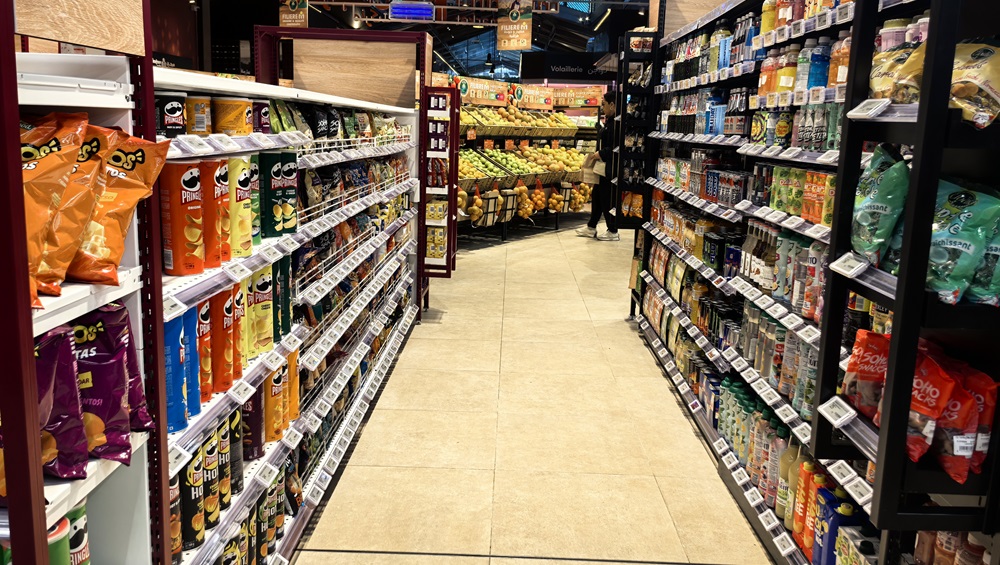
These labels put inventory information exactly where it's needed: on the shelf. With systems like Minewtag, stores can auto-update labels. If something is running low, the label can change to tell customers such as “Almost Gone!”, or give staff a code to restock. This fixes a big problem in stores.
More Efficient Store Operations
Stock mistakes often happen from small slip-ups, not big system failures. A worker might put new items in the wrong spot because things look too alike, or a display gets messed up when it's busy.
When smart labels are connected to live inventory data, they make things clear in a way that paper labels just can't. With pick-to-light features on smart labels, stores can really cut down on restocking time. Instead of hunting around, workers get a light showing them exactly where things go, so products end up in the right spot every time.
Enhancing Inventory Accuracy
A lot of shoppers today check if a store has what they want online before heading over. If the website says something is in stock, but it's not on the shelf, people might start to distrust the store's inventory info.
Digital shelf labels can fix this. They update automatically when someone buys something online or reserves it. This makes the stock levels on the shelves much more accurate. When inventory is synced in real-time, it cuts down on mistakes and helps staff pick orders and restock shelves faster because they can see what’s really available.
Data-Driven Stock Management
Managing inventory effectively requires making timely use of available information. In many stores, data about low stock levels is recorded but not always acted upon quickly. E-shelf labels can make this information visible at the point of sale, supporting faster and more informed decisions.
Research indicates that accurate stock visibility can help reduce sales losses caused by out-of-stock situations. When ESLs display alerts for low inventory, staff can restock or reorder items more efficiently. If a product is unavailable, the label can also provide information on how to order it online or request delivery to the store.
In addition, data collected from these systems—such as how frequently specific items run low—provides useful input for restocking schedules and inventory planning. Integrating this information into existing management software helps maintain appropriate stock levels and improve operational consistency.
What's Next for Smart Stores
This is just the start. People are starting to see smart price tags as more than just displays—they're becoming a key part of how stores work. As stores become places where online orders are filled, regular shelves just don't cut it anymore.
Soon, this tech will work even better with computers that order new stock automatically and sensors that spot when something's running low. But the main thing is still seeing what’s on the shelf. By connecting the shelf to the internet, stores can finally match what they know with what’s really there.


