



Digital shelf labels remove one of grocery retail's most repetitive jobs: printing, sorting, finding and replacing thousands of paper price tags. That part is straightforward. What's harder is running the system once it's live in a real store, where product counts run into the tens of thousands and prices, promotions, facings and stock positions change every day. Add refrigerated cases, freezers, fresh-food counters and heavy foot traffic, and a shelf-label rollout stops being a hardware installation project. It becomes a mix of pricing data, wireless infrastructure, merchandising process and store-level discipline, and each of those pieces can break in its own way.
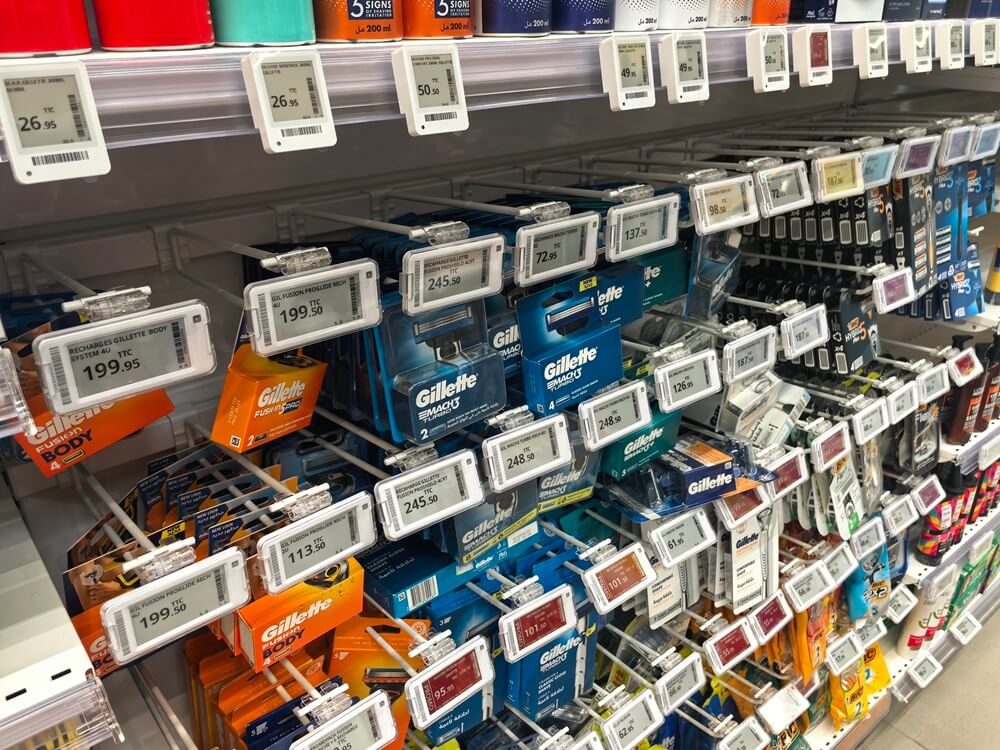
For retailers evaluating electronic shelf labels, these are the challenges worth examining before deployment.
1. Price accuracy moves upstream
Retailers often bring in electronic shelf labels to fix pricing errors at the shelf. With paper tags, an associate might print the right price and stick it under the wrong product. With digital labels, the display updates automatically, but it will still show the wrong number if the underlying product-price link is wrong. Understanding how electronic shelf labels work makes this distinction important: the label is only one endpoint in a larger pricing and data system.
So the question isn't just whether a label received an update.
More attention should be paid to:
* Is the ESL linked to the correct SKU?
* Does the shelf price match the POS price?
* Has the promotion started and ended at the correct time?
* Is the unit price calculated correctly?
* Has a product been moved without its label being reassigned?
Automation cuts the manual work involved in changing a price. It doesn't remove the need for someone to own data quality and keep the pricing system and the shelf in sync.
2. Grocery shelves don't hold still
A shelf that looks one way on Monday can look different by Friday. Products sell out, suppliers change packaging, seasonal items arrive, endcaps get rebuilt, and associates expand one facing while shrinking another. A missing item sometimes gets swapped for a substitute on the spot. A label that's working perfectly becomes wrong the moment it stays in its original position after the product above it has moved.
This is physical shelf compliance, and it doesn't get discussed as often as it should. Because grocery layouts change constantly and mostly at the store level, retailers need a real operating procedure: move the label when the product moves, pair replacement labels correctly, pull labels for discontinued SKUs, handle temporary substitutions, and audit the label-to-product relationship regularly.
Industry observers have flagged the same issue — deployments still require monitoring for labels that have shifted position, lost power, or dropped off the network.
3. Wireless coverage is harder than a floor plan suggests
Metal shelving, refrigerators, freezers, stockrooms, dense product displays and shifting inventory all affect radio propagation, and a network that performs well in an empty test store can behave very differently once the shelves are full. Research into dense electronic-shelf-label networks points to reliable low-power communication as a genuine technical challenge, especially where a large number of connected nodes and heavy signal reflection are both present.
So network planning needs to go beyond counting gateways per square foot. A pilot should test the hard zones individually: freezer aisles, where equipment and metal surfaces create difficult RF conditions; back walls and corners, which can fall outside solid gateway coverage; dense shelving, where the products themselves affect signal behavior; and seasonal areas, where the layout may no longer match the original site survey. The number that matters isn't theoretical coverage on a floor plan. It's whether labels actually receive their updates once the store is stocked and running.
4. Cold and wet departments need different hardware
A label on a cereal shelf and a label mounted inside a refrigerated meat case are doing the same job under very different conditions. A grocery deployment can span frozen food, chilled dairy, meat and seafood, produce, bakery counters, beverage coolers, and areas that get hosed down or wiped constantly during cleaning. Cold temperatures shorten battery life. Moisture and cleaning routines make enclosure protection and mounting quality matter a lot more than they would in a dry aisle.
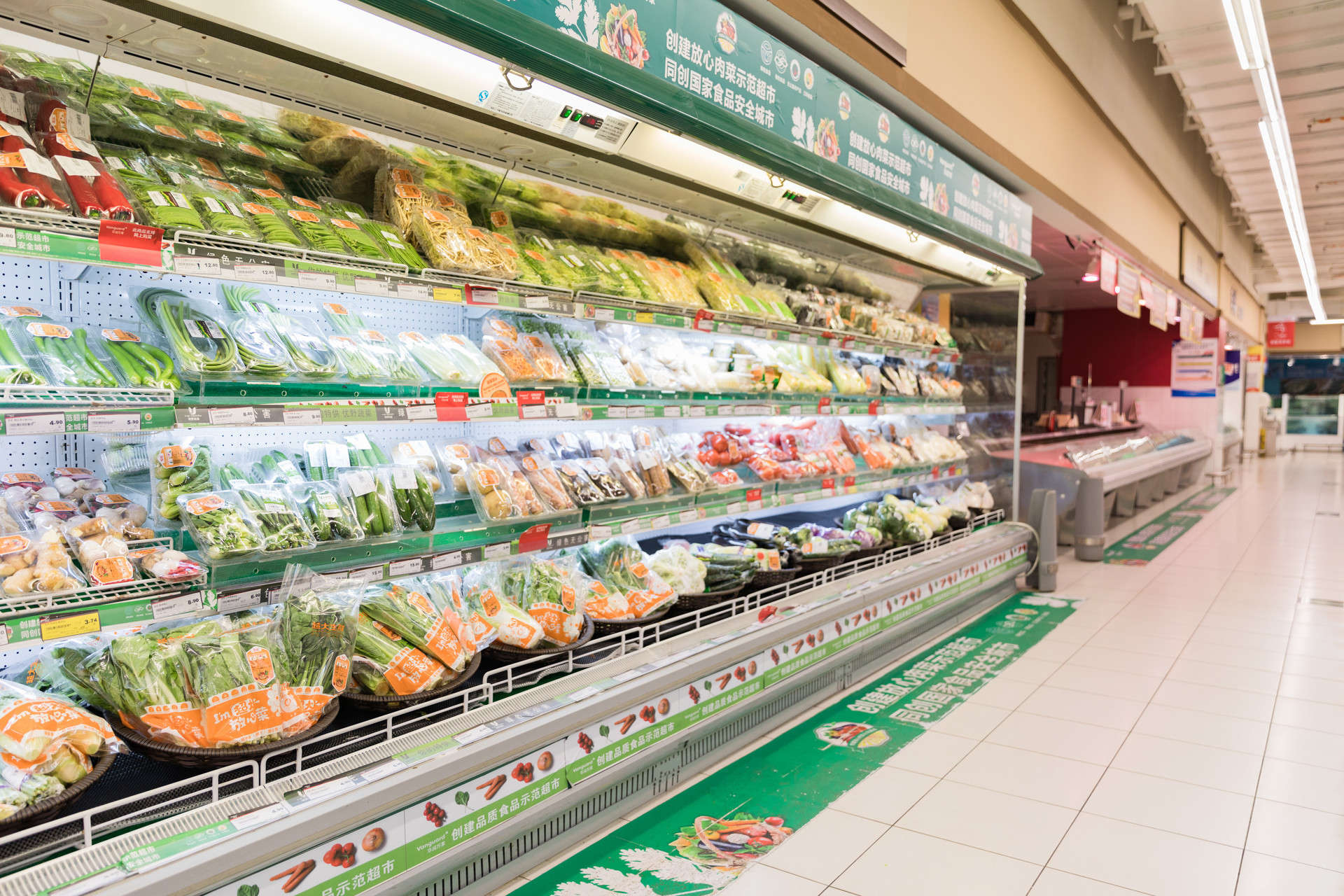
The practical takeaway is that a store isn't one hardware environment. Label size, enclosure rating, mounting hardware and operating temperature range should be matched to each department separately. A pilot that only tests labels in dry ambient aisles is testing the easy case and will miss problems that only show up in the freezer or the meat case.
5. Fresh food doesn't behave like packaged grocery
Packaged goods usually have a stable, one-to-one relationship between a SKU, a barcode and a shelf position. Fresh departments break that pattern. Produce is often priced by weight. Bakery items have short selling windows. Meat gets marked down as it approaches its expiry date. Some items are sold loose; others are weighed and labeled individually at the counter.
That means the shelf label may need to show more than a name and a price, depending on the retailer and the market, it could need unit pricing, country of origin, promotional terms, product attributes, a QR code, allergen or nutrition information, or a markdown flag. FMI has noted that modern digital shelf labels increasingly carry this kind of information alongside price. The hard part is deciding what actually belongs on a small e-paper display and what belongs somewhere else — a shelf sign, an app, a QR link. Trying to cram a full product page onto a two-inch label just creates clutter. The labels that work well are built around a clear priority order, not an attempt to fit everything.
6. Promotions get faster and less forgiving at the same time
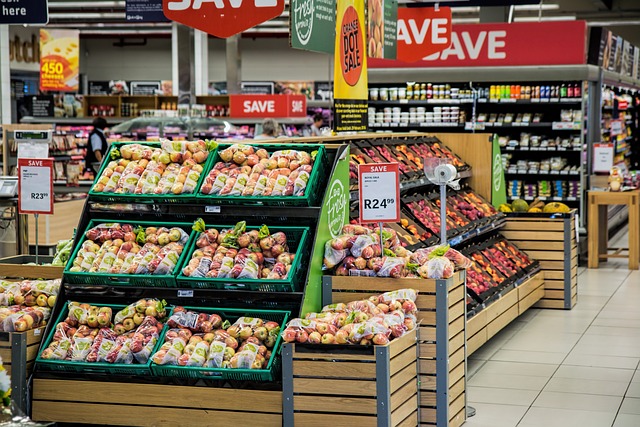
The strongest argument for digital shelf labels in grocery is speed: a promotion can go live across the whole store, or every store in a chain, almost instantly. That same speed raises the cost of a mistake. With paper labels, a bad promotion rolls out slowly and unevenly, which limits the damage. With a centralized system pushing a promotion to thousands of shelf positions at once, a configuration error reaches just as far as a correct change would.
Retailers need real safeguards: controls on promotion start and end times, store-specific pricing, loyalty-member pricing, multi-buy logic, unit-price calculations, a working rollback procedure, and clear approval permissions before a large-scale change goes out.
7. Shopper trust isn't just a technical problem
Digital pricing has drawn public scrutiny, mainly around the idea that a retailer could change prices in real time based on demand. The technology doesn't set that policy, a retailer's pricing strategy does — and industry groups argue that most grocery deployments are used for accuracy, promotion execution and better product information rather than dynamic or individualized pricing. But how the technology is used doesn't fully control how it's perceived. Earlier research on shopper attitudes found that people generally found electronic shelf labels easy to use, while also being largely unaware of what the technology was actually doing behind the scenes.
That gap is the real communication problem. A retailer sees infrastructure. A shopper sees a familiar paper price tag replaced by a screen, with no explanation of why. Price, unit price, promotion terms and product identification need to stay immediately legible at the shelf.
From digital labels to reliable store operations
The hardest part of using digital shelf labels in grocery is not changing a number on a screen.
It is keeping the digital representation of the shelf aligned with a physical environment that changes constantly.
Before a large rollout, test the full chain end to end: pricing system, ESL platform, wireless network, label, product position, store associate, shopper.
Building a More Reliable Grocery ESL Deployment with MinewTag
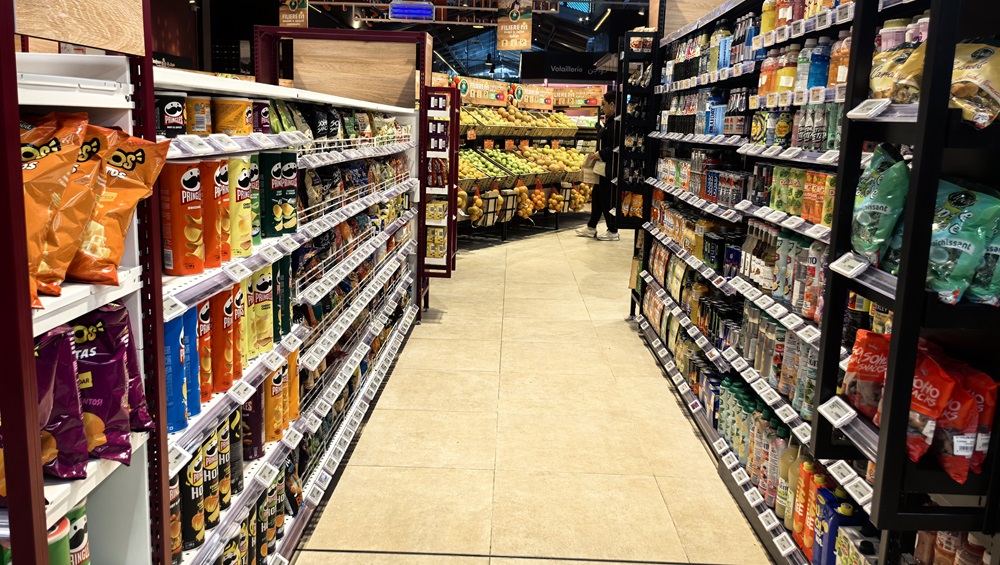
MinewTag provides electronic shelf label solutions designed for real retail operations, with a broad range of e-paper label sizes, centralized management tools, and flexible integration options for different pricing and store systems. Whether a retailer is starting with a pilot or planning a larger multi-store rollout, MinewTag can help build an ESL setup around the practical demands of grocery operations.
Explore MinewTag electronic labels solutions to see how digital shelf infrastructure can support more accurate pricing, faster updates, and more efficient store execution.


